 Skip to content

News
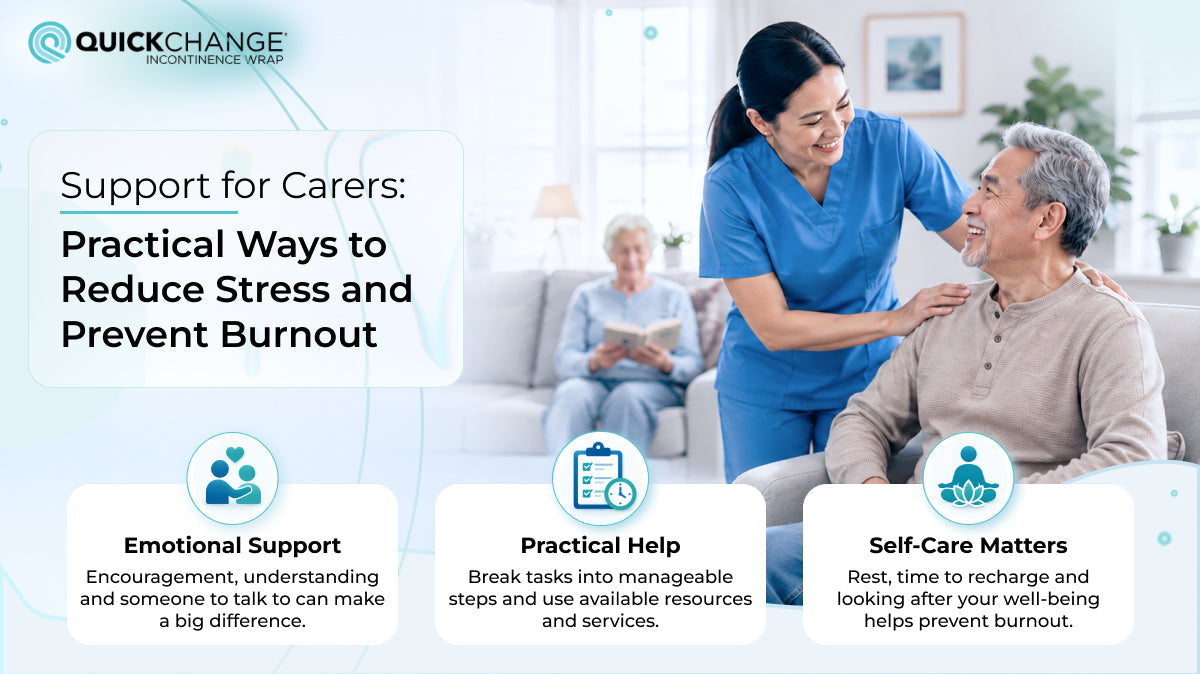
Support for Carers: Practical Ways to Reduce Stress and Prevent Burnout
Caring can involve repeated physical, emotional, and practical responsibilities, whether support is provided at home, in a care facility, or through a professional role. Daily care may include hygiene support, mobility assistance, meals, medicines reminders, appointments, and ongoing attention to changes in the person’s needs.

Continence Care in Care Homes: Best Practices for Residents and Staff
Urinary incontinence is common in UK care homes, especially among residents with reduced mobility, frailty, cognitive impairment, or a high level of dependence on daily support. In this setting, continence care is not only a hygiene routine but part of wider support for comfort, dignity, skin health, and quality of life.
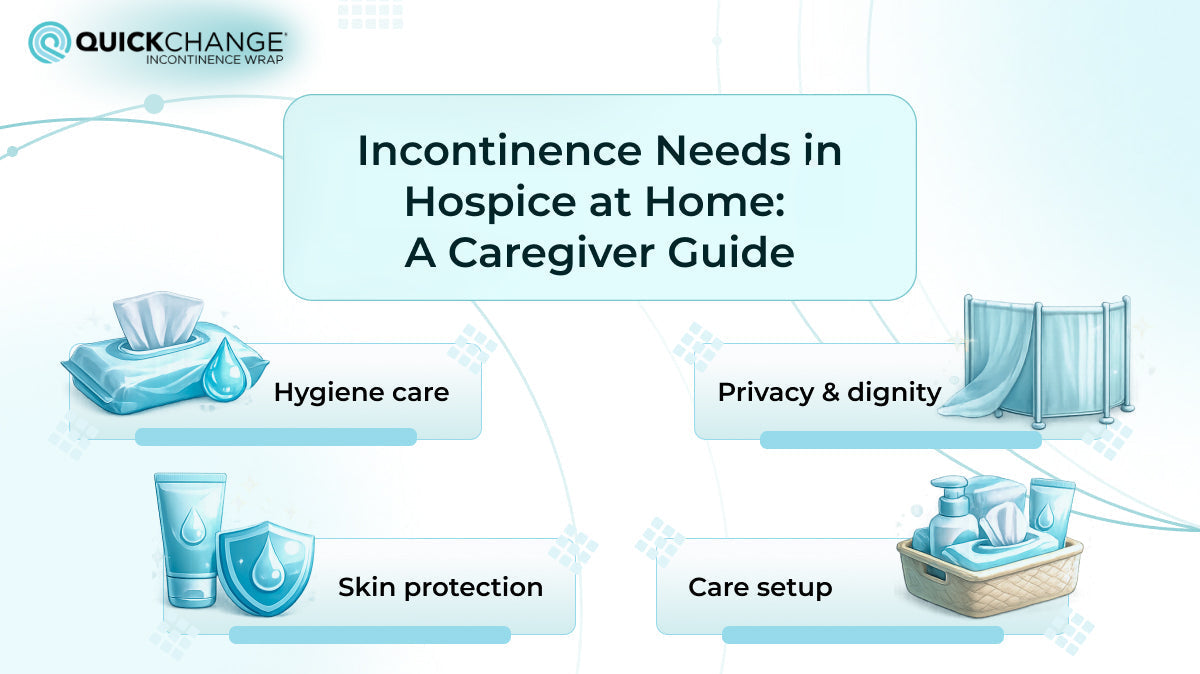
Incontinence Needs in Hospice at Home: A Carer Guide
Caring for a patient during hospice at home often involves changes that require special attention from the family. Incontinence may become part of daily care and affect not only physical condition but also a person's sense of dignity and comfort. That is why incontinence care in hospice at home requires a structured and measured approach.

What is a Death Doula? UK End-of-Life Care and Influence on UI
Patients receiving end-of-life care due to terminal illnesses or conditions are faced with progressive physical decline, which gradually weakens or completely disables some of the body's functions. Urinary incontinence is no exception to this loss of function, which is a common and often underestimated problem among patients.

Hospice Care UK and Urinary Incontinence: Comfort, Dignity, and Professional Support
Urinary incontinence is common at the end of life and is often associated with serious, progressive illnesses. In hospice care, it is understood as part of the natural physical changes that occur as the body gradually declines. Problems with bladder control may develop slowly or appear suddenly, which can understandably cause concern. However, incontinence at the end of life is not a sign of poor care or a treatment error, but a natural manifestation of the body’s changing ability to function.

Palliative Care vs Hospice in the UK: Identifying All Features and Differences
Despite the fact that men often do not admit to having urinary incontinence and underestimate the loss of bladder control, new solutions are emerging to address and manage this problem. In addition to the burden of urinary incontinence itself, it also leads to feelings of embarrassment and loss of confidence in daily life. Underestimating treatment can also cause skin irritation and even infections.

High Rate Of Urinary Incontinence In Young People Receiving Home Care
Urinary incontinence (UI) is often seen as an issue that mainly affects older adults, but this isn’t the full picture. In fact, it’s a growing concern for younger men as well, with many under 50 experiencing UI. While childhood and older age are the two main peaks for UI, it’s increasingly being recognized in younger individuals, leading to the need for home care services. Studies show that this condition is more common than you might think, and it can be just as impactful on young men’s daily lives as it is on older adults.

Continence Care for Adolescents and Young Adults with Disabilities
Urinary incontinence (UI) is more common among adolescents and young adults than many people realize, especially for those with disabilities.

Nighttime Protection: Products to Ensure a Peaceful Sleep
Urinary incontinence, particularly nocturia, affects a significant portion of older men, with over 45% of men aged 65 and older reporting lower urinary...

Setting Up Your Home for Incontinence Management: A Comprehensive Shopping List
Incontinence is a widespread condition affecting many male patients, often resulting from underlying medical conditions, aging, or other factors. This loss of bladder...

Essential Men's Incontinence Care Tips
Explore effective strategies to manage men's incontinence with confidence and dignity.

How Urinary Incontinence Affects Sleep: Understanding the Impact & Solutions
Millions of people around the world suffer from urinary incontinence, an involuntary urinary leak. In addition to impacting one's daily life, urinary incontinence can also interfere with sleep patterns. In order to address this issue effectively, it is crucial to understand how urinary incontinence affects sleep. Sleep is an essential component of our overall well-being and health. It boosts our mood, improves cognitive function, and rejuvenates our bodies.
