 Skip to content

CLINICAL STUDIES
The Studies Behind the Solutions
Assessment, Selection, Use, and Evaluation of Body- Worn Absorbent Products for Adults With Incontinence

The Wound, Ostomy and Continence Nurses (WOCN) Society charged a task force with creating recommendations for assessment, selection, use, and evaluation of body-worn absorbent products. The 3-member task force, assisted by a moderator with knowledge of this area of care, completed a scoping literature review to identify recommendations supported by adequate research to qualify as evidence-based, and area of care where evidence needed to guide care was missing. Base on findings of this scoping review, the Society then convened a panel of experts to develop consensus statements guiding assessment, use, and evaluation of the effect of body-worn absorbent products for adults with urinary and/or fecal incontinence.
These consensus-based statements underwent a second round of content validation using a modified Delphi technique using a different panel of clinicians with expertise in this area of care. This article reports on the scoping review and subsequent evidence based statements, along with generation and validation of consensus-based statements that will be used to create an algorithm to aid clinical decision making.
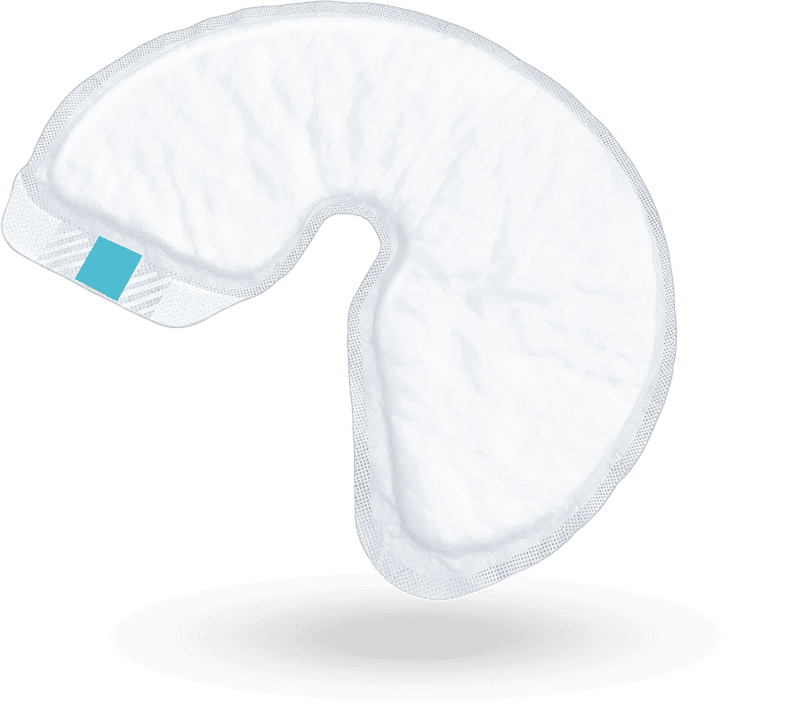
Early Staff Experience with the UI Medical QuickChange® Wrap

Two long-term acute care hospitals in California, owned by a premier
national system, piloted UI Medical’s new QuickChange Wrap in the fall of 2017. The month-long evaluations involved 25 catheterized patients per day at one facility and 40 catheterized/briefed patients at another. The facilities used all 12,000 wraps provided to them. There was a short demonstration of how to use the product, but the pilot was unsupervised. The number of patients involved was not tracked by the facilities, and the number varied as the QuickChange Wraps were used on patients who were admitted and discharged during the pilot.
The results are quite positive, especially with the learning curve involved in making a switch from longestablished briefs and catheters and the relative lack of training provided. 105 of the 116 respondents said the outcomes for patients would be better than current products/processes. Almost all respondents said they would recommend the product to others. Virtually all agreed that the wrap is easy to deploy
