 Skip to content

News
Catheter-Associated Urinary Tract Infections & Sepsis
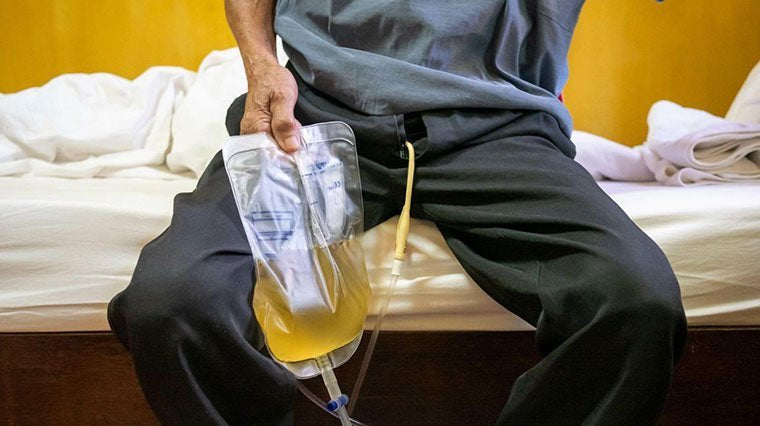
Catheter-associated urinary tract infections (CAUTIs) are among the most prevalent healthcare-associated infections, accounting for up to 40% of hospital-acquired infections.
Pressure Injuries & Condom Catheters
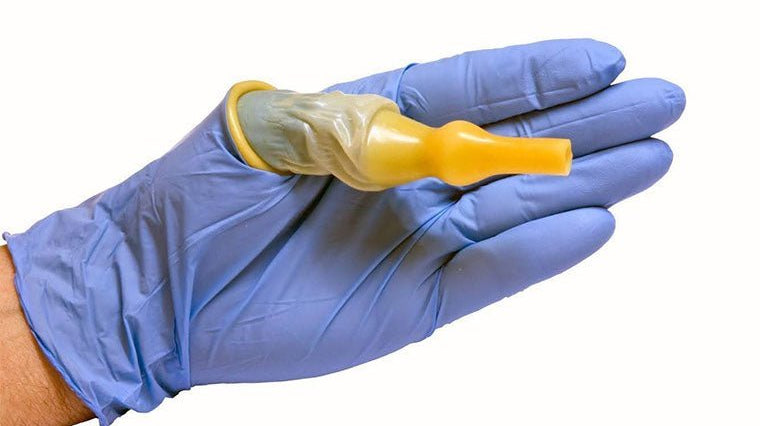
Urinary incontinence affects a significant percentage of men, particularly those with neurological disorders, mobility limitations, or post-surgical complications. It can lead to embarrassment, reduced quality of life, and challenges in maintaining hygiene. To manage urine leakage, some men turn to external devices like condom catheters, which fit over the penis and direct urine into a collection bag. Unlike indwelling catheters that are inserted into the bladder, condom catheters are considered less invasive and are often recommended for long-term use in bedridden or incontinent male patients.

Continence Care for Adolescents and Young Adults with Disabilities
Urinary incontinence (UI) is more common among adolescents and young adults than many people realize, especially for those with disabilities.

Comparing Healthcare Associated Infections Costs (HAIs). Why Is America So Expensive?
Healthcare-associated infections (HAIs), also known as hospital-acquired infections (HCAIs), are infections that develop during the course of medical treatment in hospitals or other healthcare settings.

Catheter-Related Urethral Injuries in Male Children
Urethral trauma in pediatric patients is a significant yet often overlooked concern in urological care. Although urethral injuries account for a small percentage of overall pediatric trauma cases, they can lead to long-term complications if not managed properly. Up to 25% of hospitalized patients undergo routine urethral catheterization, and while the incidence of iatrogenic urethral trauma is approximately 0.3%, its impact is substantial. Traumatic urethral catheterization can lead to acute complications such as urinary retention, bleeding, and urosepsis, as well as long-term risks like urethral stricture disease, requiring frequent dilation or reconstructive procedures.

Functional Disorders of the Lower Urinary Tract in Parkinson’s Disease: A Guide for Male Patients
Parkinson’s disease (PD) is an extrapyramidal neurological disorder primarily recognized for its motor symptoms, such as tremors, rigidity, and bradykinesia. However, non-motor symptoms, including lower urinary tract dysfunction, are increasingly acknowledged as significant contributors to reduced quality of life. Research indicates that 57–83% of PD patients experience urinary storage symptoms, while voiding dysfunction affects 17–27% of individuals. Among these, nocturia is the most prevalent, impacting over 60% of patients, followed by urgency (33–54%) and frequency (16–36%).

Penile Pressure Ulcers Secondary to Condom and Indwelling Catheters and Prone Positioning
Penile pressure ulcers are painful sores that develop on the penis due to prolonged pressure on the skin and underlying tissues. These ulcers can occur when there is continuous pressure without relief, leading to poor blood circulation and tissue damage. Male patients with spinal cord disorders (SCD) are at a higher risk because they may have limited mobility, leading to unrelieved pressure on sensitive areas.

Buyer's Guide to Standing Patient Lifts / Hoyer Lifts – USA
Standing patient lifts, commonly referred to as Hoyer lifts, are essential mechanical devices designed to assist individuals with limited mobility in safely transitioning between positions, such as from a bed to a chair or from a toilet to a wheelchair. These lifts play a critical role in reducing strain on caregivers while ensuring patient safety and comfort.

Mixed Urinary Incontinence & Dermatological Issues in Male Patients
Mixed urinary incontinence (MUI) is a condition that combines stress incontinence (urine leakage due to physical exertion like coughing, sneezing, or lifting) and urge incontinence (a sudden, uncontrollable need to urinate). MUI is a significant issue in male patients, particularly those with a history of prostate surgery, neurological disorders, or aging-related bladder dysfunction.

How Do Doctors Test for Urinary Incontinence in Men?
Urinary incontinence (UI) is a significant health issue affecting men, with prevalence increasing with age. Studies estimate that UI affects 11% of men aged 60–64, rising to 31% in older age groups. The condition stems from mechanisms such as overactive bladder (urge UI) and poor urethral sphincter function (stress UI), leading to variable risk factors and treatment strategies.

Nighttime Protection: Products to Ensure a Peaceful Sleep
Urinary incontinence, particularly nocturia, affects a significant portion of older men, with over 45% of men aged 65 and older reporting lower urinary...

Setting Up Your Home for Incontinence Management: A Comprehensive Shopping List
Incontinence is a widespread condition affecting many male patients, often resulting from underlying medical conditions, aging, or other factors. This loss of bladder...
